Big problems only
If it won’t change how something is built or run at scale, we don’t take it. We have turned away good money because it was small — and we’d do it again.
Two founders, one bench, and a short list of problems worth a decade. We started intrnls to change how industrial infrastructure gets made — and to work only with the people who can actually let us.
The honest version, without the origin myth.
We got tired of good engineering that never made it out of the lab. The physics would work, the prototype would work, and then the project would end at a report because nobody was set up to carry it into a plant. So we built a company around the whole arc — material, design, pilot, product — and decided we would rather do that four times than do the first half forty times.
We think shape is the most under-used tool in industry. Geometry can do what chemistry, energy, and mass used to do — hold a film, move heat, carry a load — if someone is willing to design it from the physics up and then make it at scale. Most people aren’t willing. That’s the gap.
For a client it means we say no a lot, ask uncomfortable questions early, and stay through the part where it gets hard. It also means that when we do take something on, we intend to finish it — in your plant, not in a report.
Each of these has cost us an engagement at some point. That’s how we know they’re principles and not slogans — a principle with no cost is a tagline.
If it won’t change how something is built or run at scale, we don’t take it. We have turned away good money because it was small — and we’d do it again.
We don’t stop at the prototype. Pilot and commercialization are part of the job, and we have lost engagements by insisting on them. We insist anyway, because that’s where it counts.
Every claim we make has a measurement behind it or it doesn’t leave the building. That slows us down, it occasionally embarrasses us, and it’s why partners trust our numbers.
Two founders and no account team. The people below are the people on your project — on the call, at the bench, and in the plant.
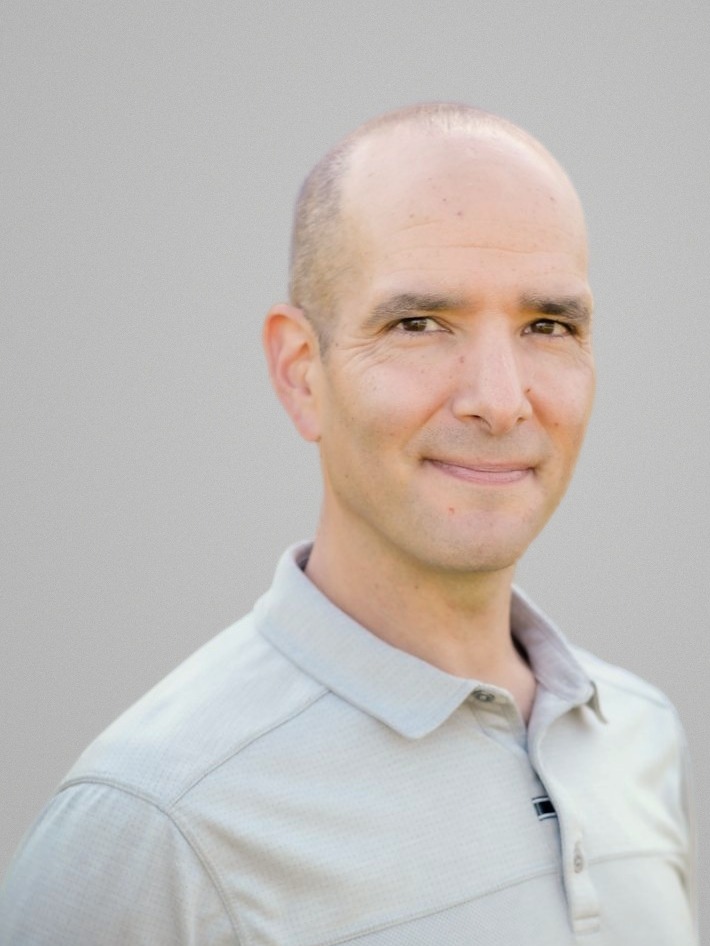
Matthew Pearlson, co-founder. Chemical engineer, MIT Technology and Policy; advised EPA, FAA, DOE and DOD on fuel economics and stood up a $30M low-income solar program at Citizens Energy. At intrnls: the vision, the partnerships, the deals, and the business.
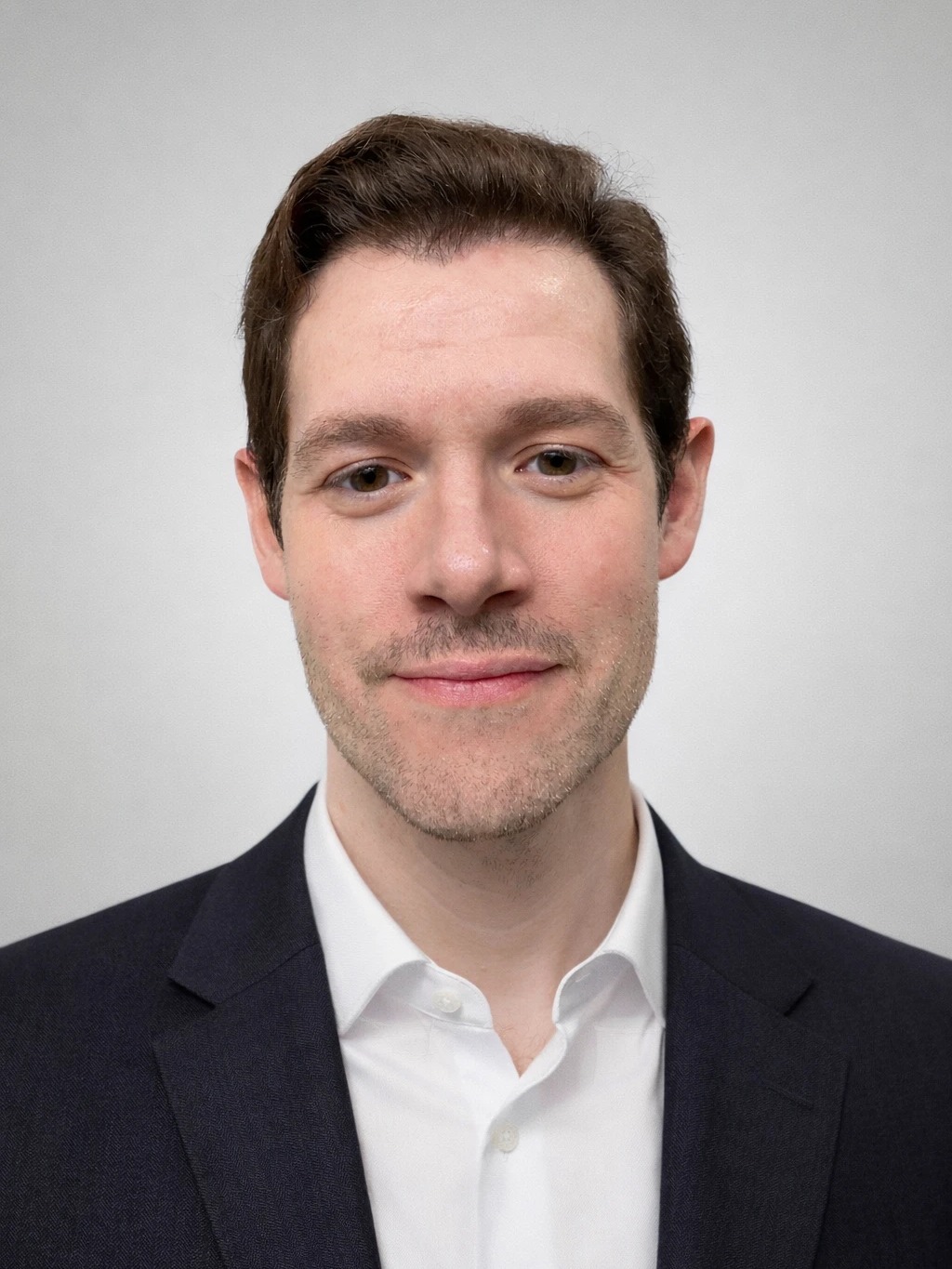
David Walker, co-founder. Chemical engineer, PhD Northwestern; co-founded and ran technology at Azul 3D, the HARP 3D-printing company spun out of the Mirkin lab. The materials and manufacturing side of the company — how a design gets made, and at what volume.
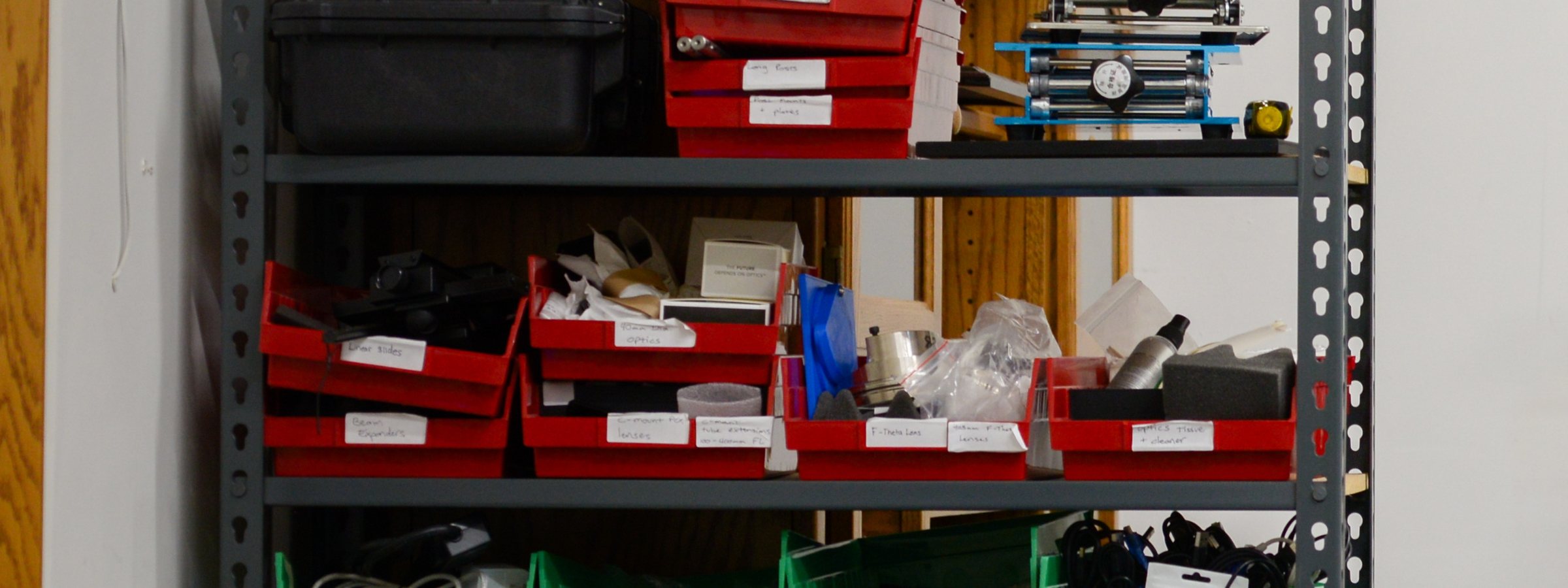
The bench is real and the mess is real. If your problem is big enough, come look at what we’re building and tell us why it won’t work.
We reply within 48 hours.